Resurgence of Resistance Politics
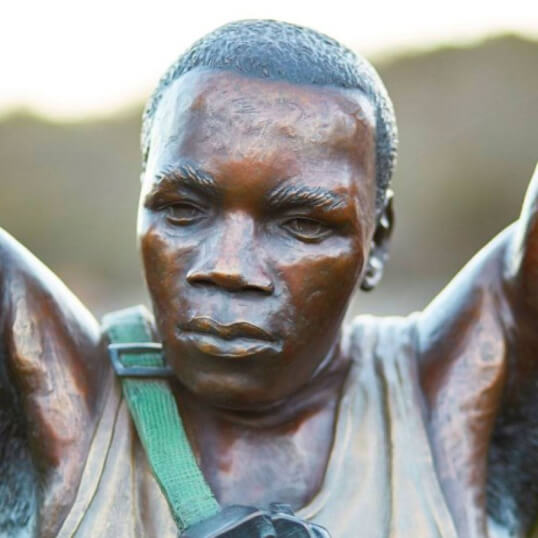
The resurgence of resistance politics in the 1970s was dramatic. On 16 June 1976 mass uprisings began in Soweto as school pupils protested against the 'Bantu Education System' and the imposition of learning in Afrikaans, the language of the oppressor. Police reacted with force, often firing live rounds into the crowds of children, and many lost their lives. The uprisings spread quickly and marked the beginning of a sustained anti-apartheid revolt as many concerned observers across the world reacted with horror and condemnation toward the apartheid government following its brutal suppressions and violent political reprisals – many targeting political figures and institutions beyond the country's borders. As a result, economic sanctions against South Africa intensified and increased.
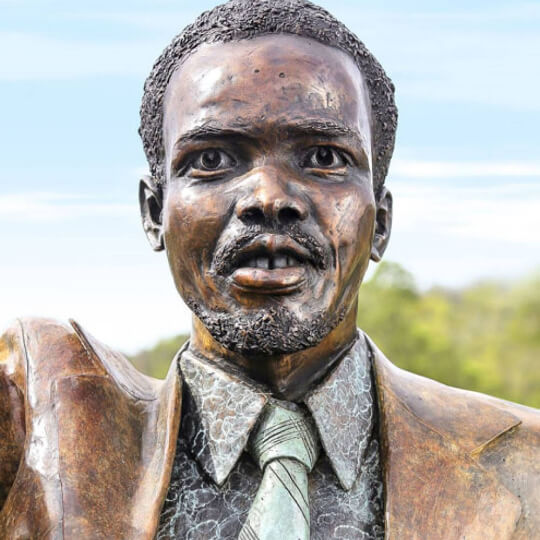
New resistance movements soon emerged. The non-racial United Democratic Front pursued a non-violent strategy known as "ungovernability" including rent boycotts, student protests, and strike campaigns. The UDF was replaced in 1988 by the Mass Democratic Movement, a loose and amorphous alliance of anti-apartheid groups that had no permanent structure, making it difficult for the government to place a ban on its activities. Grass-roots anti-apartheid movements, inspired by the black-consciousness teachings and writings of individuals such as Steve Biko and Robert Sobukwe, offered new hope for a younger generation of activists. A total of 130 political prisoners were hanged on the gallows of Pretoria Central Prison between 1960 and 1990. The prisoners were mainly members of the Pan Africanist Congress and United Democratic Front.