Union and Opposition
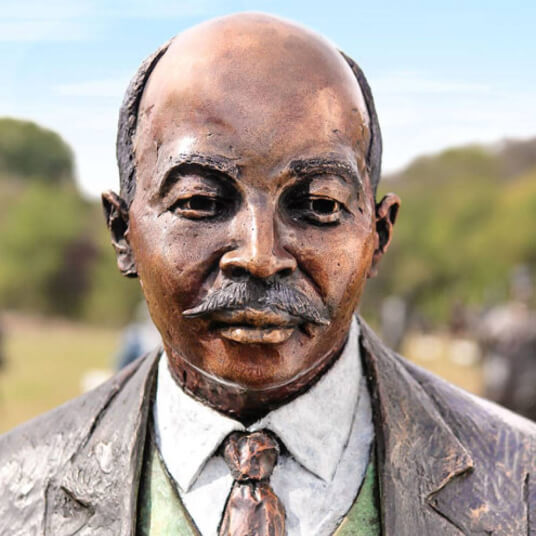
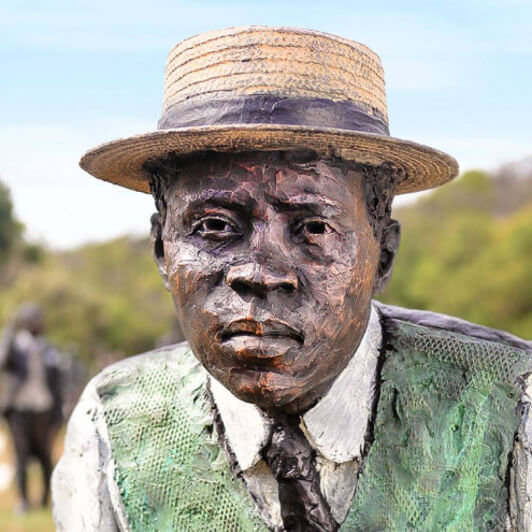
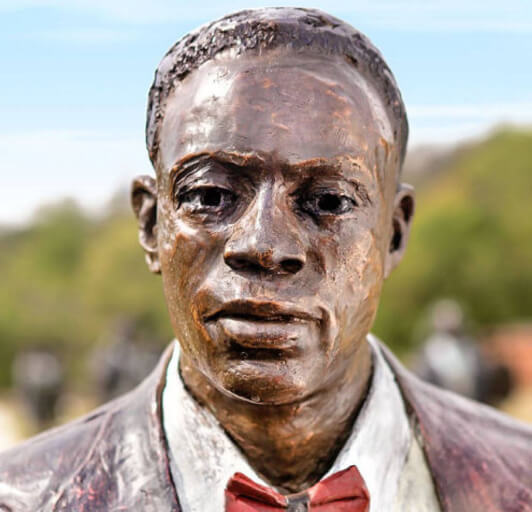
In 1902 the Peace Treaty of Vereeniging marked the end of the war and the defeat of the Boers – by now known as the Afrikaners. The black population saw the treaty as an opportunity to establish justice and equality for all ethnic groups, but this was not to be. No allowance was made for black franchise or parliamentary representation, and the journey towards full racial segregation continued. In 1910, the two British colonies and the two Boer republics were united into the Union of South Africa with centralised self-government under British supremacy. Black opposition led to the formation in 1912 of the South African Native National Congress, renamed in 1923 as the African National Congress (ANC). Over the following decades many more liberation struggle movements were formed, representing other ethnic groups, ideologies and civil societies.
The Natives Land Act of 1913 was the first major segregation legislation passed by the Union Parliament, restricting ownership of land by black people to a mere 13% of the Union. It was followed by a succession of race-based, increasingly draconian statutes all aimed at cementing the power of the white population and regulating and restricting every possible aspect of the lives of black, coloured, and Indian people. Black opposition politics, in the meantime, were consolidating. In 1944, a younger, more determined and militant political group - the ANC Youth League – was launched, an organisation which would foster the leadership of people such as Nelson Rolihlahla Mandela, Oliver Tambo and Walter Sisulu.